Buying a House That Needs Renovation
How to Know if the Renovation Project Stacks Up
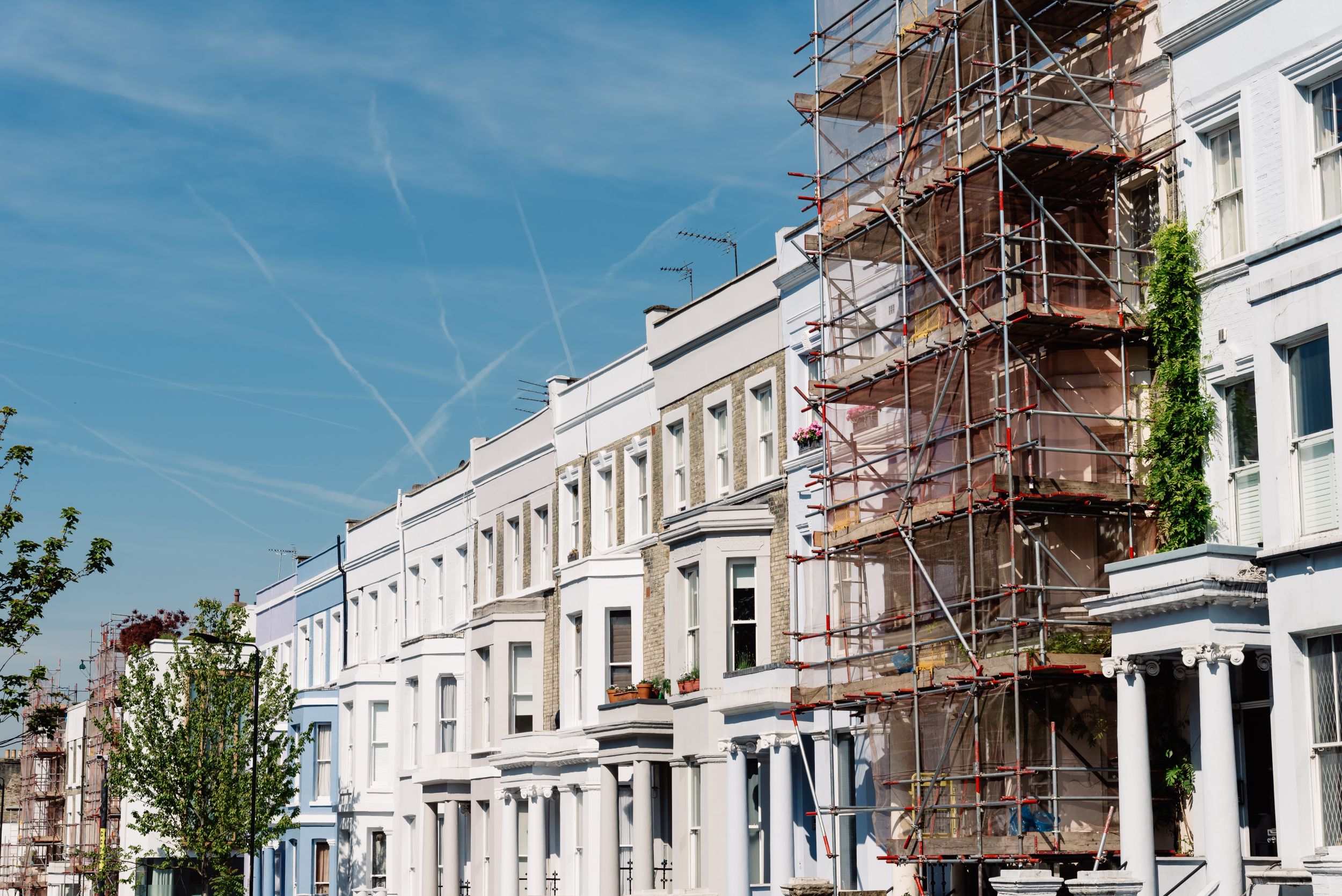
Buying a house needing renovation has become one of the most common ways buyers try to create a home that genuinely works for them.
For some, it is about getting more space than a smaller well-presented house. For others, it is about accessing a better location, adapting a property over time, or buying something with enough flexibility to grow into rather than stretching financially for a finished house immediately.
Zoopla found that nearly two thirds of UK buyers who purchased within the last decade renovated within the first two years of ownership, showing just how central renovation has become to the modern buying process.
But renovation projects are no longer simple financial equations.
Since Covid, the Ukraine war, labour shortages, inflation, and wider cost-of-living pressures, the margin for error on renovation projects has become far smaller. Construction costs, financing costs, contractor availability, and programme risk all matter far more than they did a decade ago.
At the same time, softer conditions in parts of the UK housing market are also creating opportunities for buyers who approach renovation projects strategically and negotiate from a position of real understanding.
At True Value, we often see buyers underestimate not just renovation costs before buying, but the wider personal, logistical, and psychological impact of the project itself.
The real question is not:
“Can this house be renovated?”
The real question is:
“Does this renovation project still stack up once you account for the actual costs, disruption, time, pressure, and risk involved?”
Because very often, buyers become emotionally attached to what a property could become long before they properly evaluate what it will realistically take to get there.
This article explores:
buying a house needing renovation
renovation feasibility before purchase
realistic renovation budgeting
how to properly assess whether a fixer upper still makes sense before exchange

Where True Value fits into this process
At True Value, we often see buyers committing to renovation projects before they have properly established whether the numbers genuinely stack up once condition, planning, disruption, financing, and long-term suitability are considered together.
Very often, buyers assess these questions in fragmented ways, as that is all they have available. They might speak briefly to an architect, ask a builder for rough costs, search planning portals themselves, or rely on estate-agent language around “potential”, all while trying to navigate chain pressure, mortgage timing, and conveyancing deadlines.
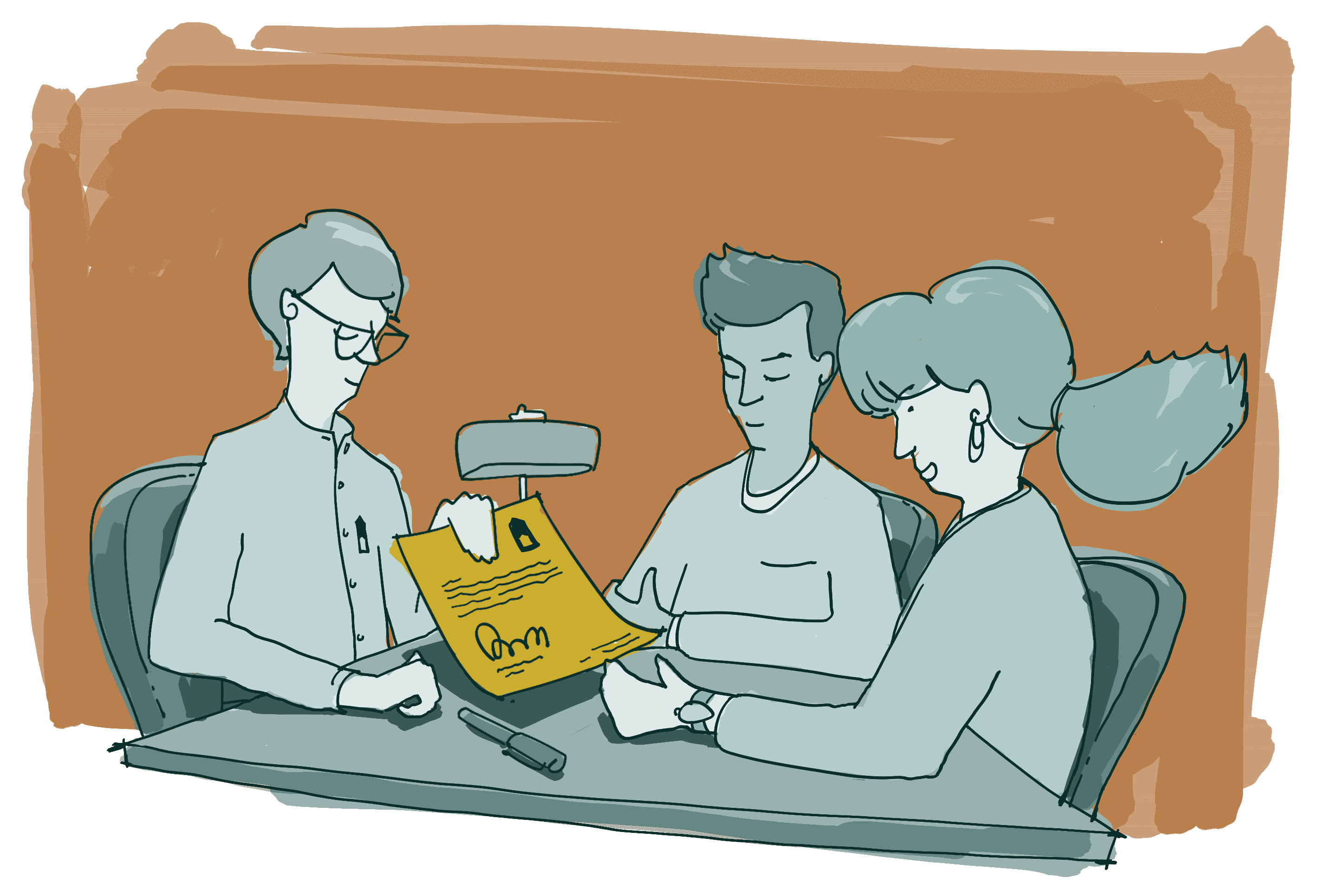
At True Value, we combine architectural thinking, planning feasibility, survey interpretation, renovation strategy, cost awareness, and negotiation support into a joined-up strategy and decision aid before buyers become legally committed and while leverage still exists.
For some buyers, that begins with a strategic Property Check before offering. For others, it develops into a wider Improvement Plan assessing condition, planning feasibility, renovation costs, phased improvements, and negotiation strategy before exchange.



How to budget for a fixer upper properly
One of the biggest misconceptions around buying a fixer upper is that buyers think mostly about the finished result.
They picture the completed kitchen, the extension, the beautiful interiors, or the forever home.
What they do not properly picture is:
overlap costs
temporary accommodation
contingency spending
financing pressure
and the sheer logistical effort of trying to hold a project together while still living their normal life
We worked with buyers in Kent who were considering a complete transformation of a house that was on the market for around £450,000.
The property itself was not particularly attractive, but they loved the idea of what it could become, as it was on the beach.
We developed architectural options showing how the house could be dramatically transformed externally and internally. The designs were genuinely exciting.
But once realistic renovation budgeting was applied properly, the numbers changed the client’s perspective completely.
The renovation costs alone were estimated at roughly £350,000 to £400,000 before contingency, temporary accommodation, moving costs, financing costs, and inevitable project extras.
Very quickly, the buyers realised they were approaching a £900,000 total position.
At that point, they stepped back and recognised they could buy a historic and finished waterfront property nearby in a stronger location with significantly less upheaval for around £1 million. The other property might ultimately be worth a similar amount, but the uplift in value did not warrant the disruption for them at that stage in their lives.
They said:
“I love this design and it is so helpful to see the best it can become. It is great, but honestly - nothing is really great enough to warrant that upheaval for us at this point in our lives. I'm really glad we explored this fully before buying”
Importantly, they still loved the design proposal.
The issue was not whether the house could become brilliant.
The issue was whether the process still stacked up for their life.
Equally though, we have also worked on projects where the opposite was true. One client in Devon needed to move their growing family sooner rather than later, but felt the type of “finished dream home” they ultimately wanted would cost around £1.5 million locally, which simply was not realistic for them at that stage.
Through a series of Property Checks and strategic conversations, we instead helped them focus on properties around £350,000 less that had larger plots, stronger structure, and significant future development potential. That meant they could move now, improve family life immediately, and still work toward an even better long-term outcome over time as funds became available.
In that situation, approaching the purchase strategy and development strategy together created a far stronger overall result.
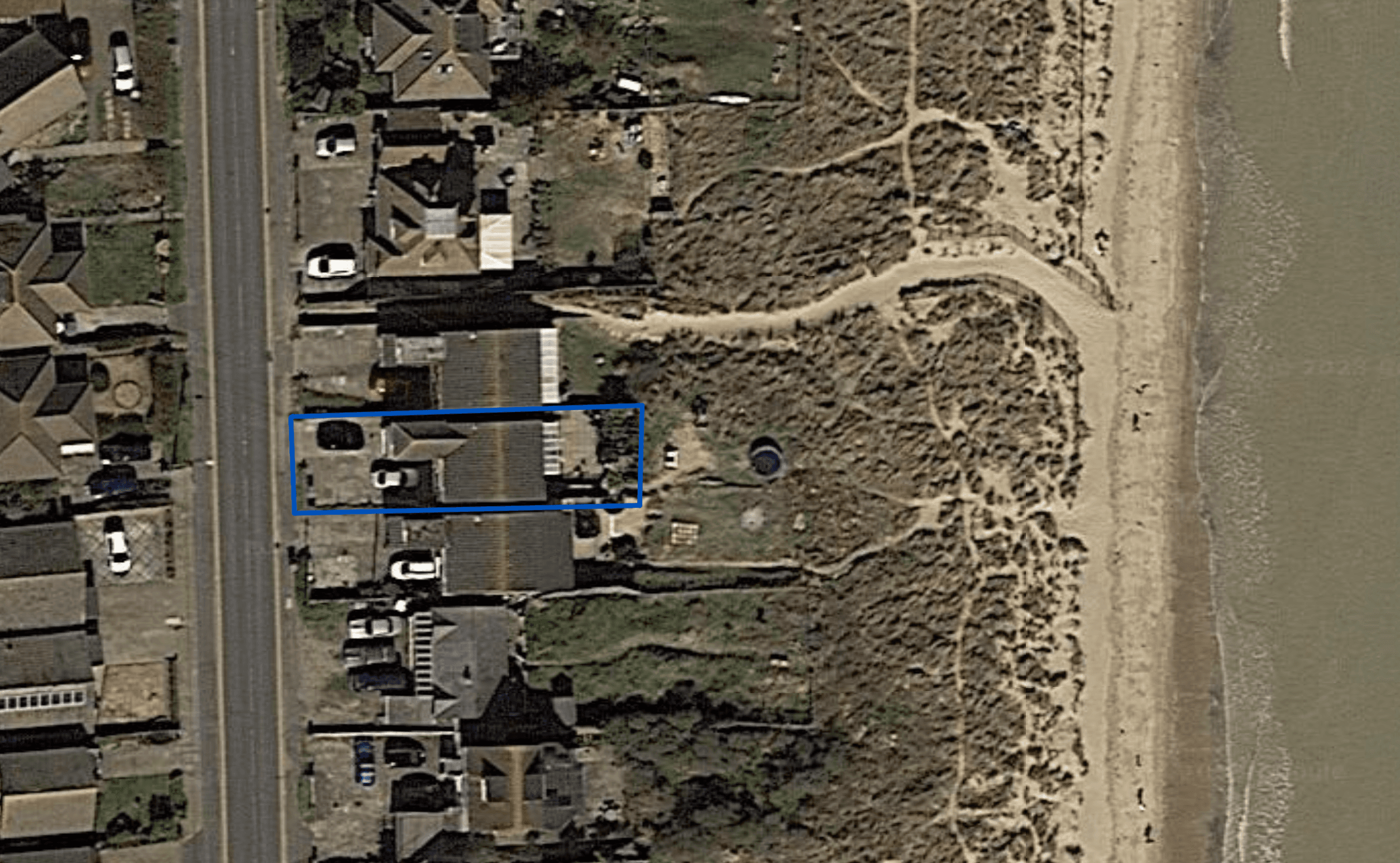

“I love this design and it is so helpful to see the best it can become. It is great, but honestly - nothing is really great enough to warrant that upheaval for us at this point in our lives. I'm really glad we explored this fully before buying”
The renovation costs that can actually work in your favour
Interestingly, renovation projects can also create positive cost overlap when approached strategically.
This is something buyers rarely evaluate properly.
For example, if a roof already needs replacing but you plan a loft conversion anyway, or the kitchen is already unusable but you intended a rear extension, the existing condition can actually support your renovation strategy financially.
In these situations, defects and improvement ambitions intersect positively.
You are not paying twice.
At True Value, we assess:
what genuinely needs repairing
what would be removed anyway
where renovation scope overlaps strategically with survey findings
That joined-up thinking often changes whether a project makes financial sense at all.
In some cases, recently part-renovated properties can actually represent worse value because buyers end up paying for finishes or layouts they later remove entirely.
We often joke internally:
“Ah, it’s perfectly bad.”
What we mean by that is a property where the important things are fundamentally right - the structure, proportions, location, plot, or key rooms - but highly visual or easily changeable elements are outdated enough to put other buyers off. Those situations can create excellent opportunities for buyers able to look beyond cosmetic presentation and recognise strategic value underneath.
We often joke internally At True Value: “Ah, that property is perfectly bad.”
Can you realistically live through a renovation project?
When assessing renovation costs before buying, buyers often focus only on contractor quotes, kitchens, bathrooms, finishes, and extensions.
In reality, some of the biggest costs sit outside the construction contract entirely.
These include:
double mortgages
temporary rental accommodation
storage
travel to site
financing costs
delayed programmes
and the personal cost of prolonged disruption
Many buyers initially assume they can comfortably live through major renovation works.
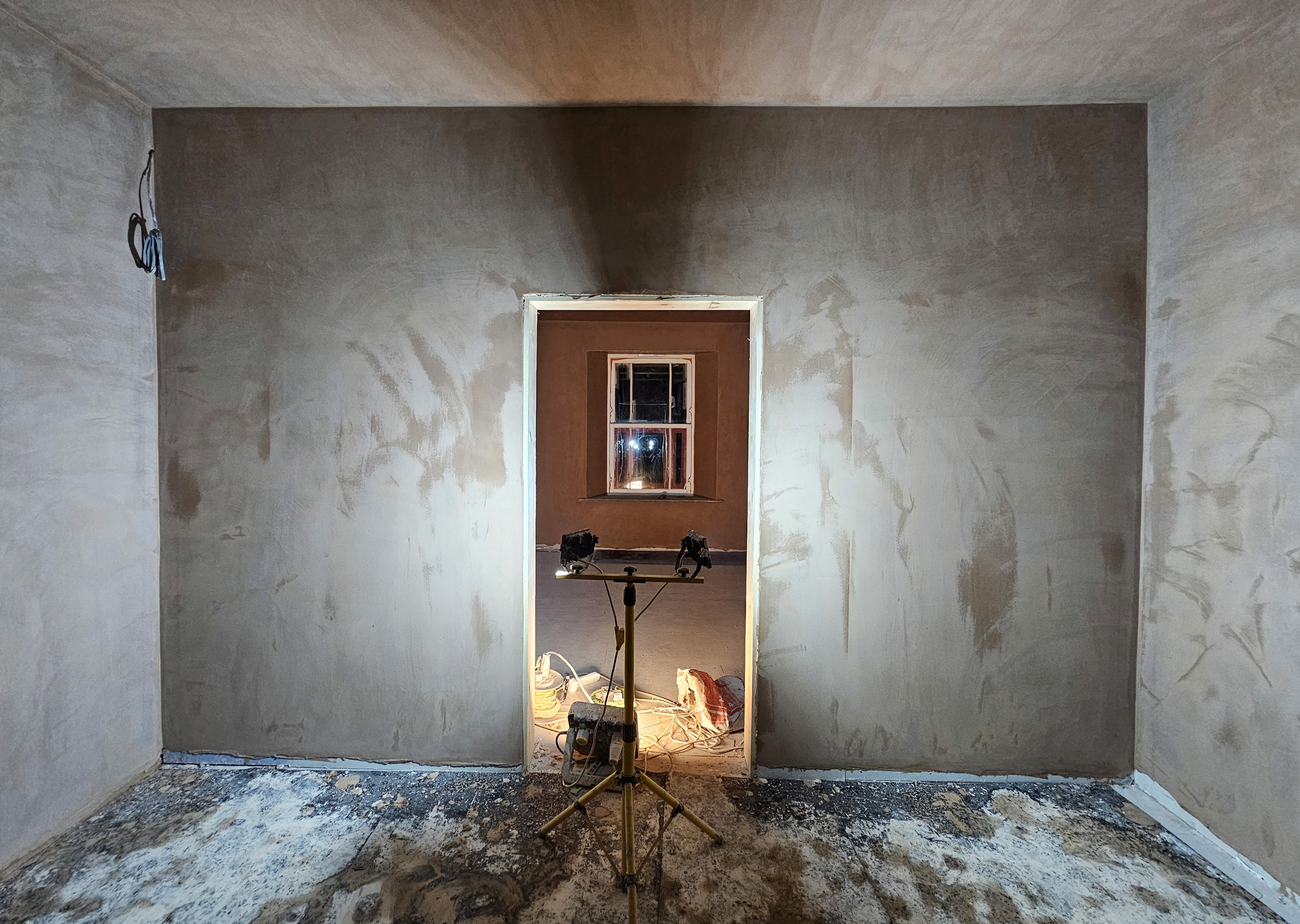
In practice, once multiple trades, dust, noise, electrical shutdowns, plumbing interruptions, and constant decisions start colliding together, many families eventually choose to move out for at least part of the process.
The problem is that short-term accommodation is rarely straightforward or cheap. Buyers often end up moving between temporary solutions, relying on family, or absorbing costs they never properly planned for.
This is one of the reasons realistic renovation budgeting matters so much before exchange.
Living through renovation is also often romanticised. In reality, prolonged disruption can place genuine strain on working life, relationships, routines, and family stability if projects are not approached carefully.
That said, it absolutely can be done successfully. The key is usually phasing works intelligently and creating some level of sanctuary within the property so normal routines can continue while the larger vision evolves over time.
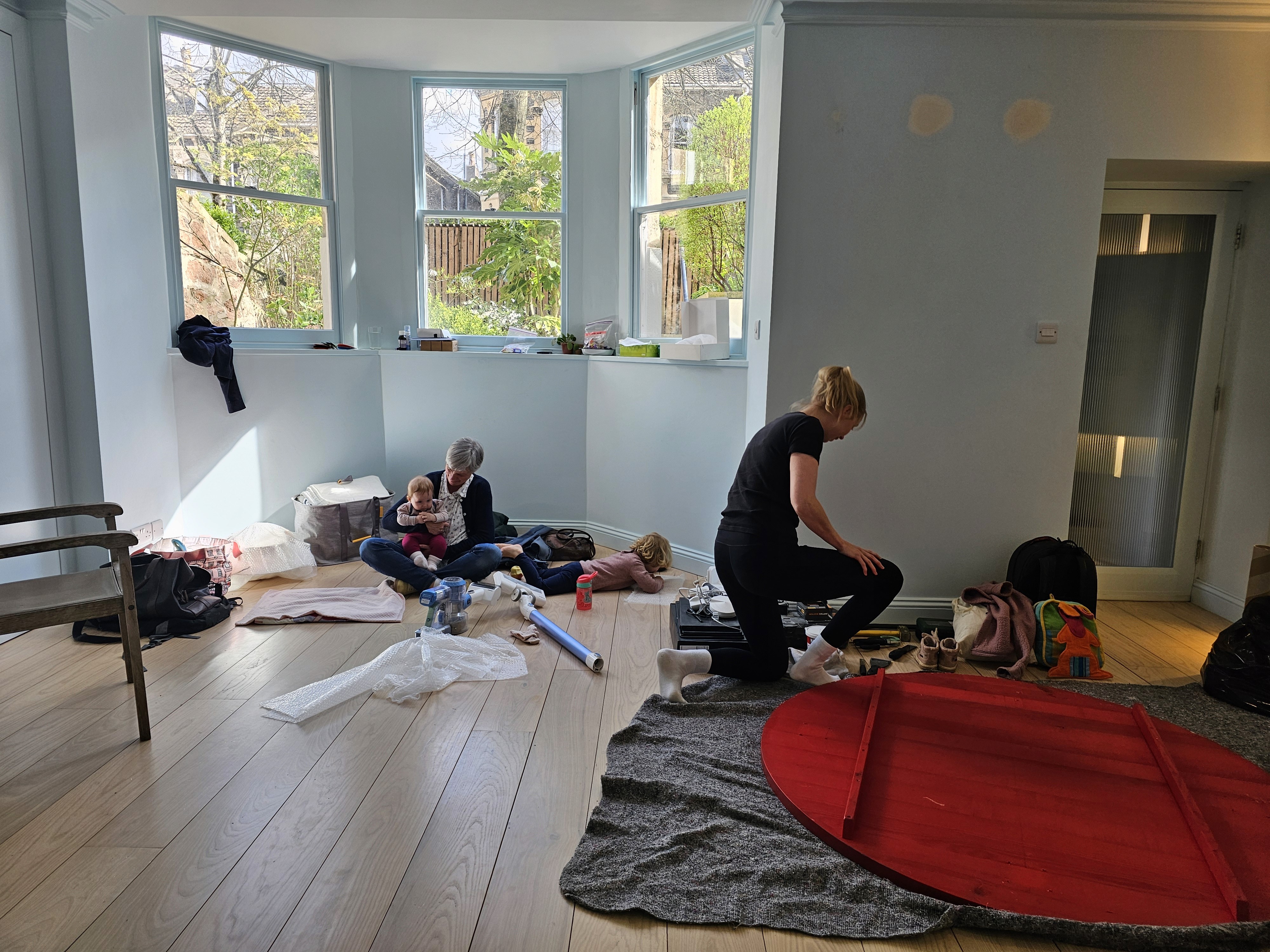

Once multiple trades, dust, noise, electrical shutdowns, plumbing interruptions, and constant decisions start colliding together, many families eventually choose to move out for at least part of the process.
The difference between ambitious and dangerous renovation projects
Not every ambitious renovation is irresponsible.
The real difference is usually whether the project has enough flexibility, contingency, and realism built into it from the outset.
One of the biggest strategic decisions buyers face is whether to:
do everything at once before moving in
or phase improvements gradually over time while living in the property
Both approaches can work brilliantly in the right circumstances.
Doing everything at once can often create:
better contractor value through economies of scale
overlapping disruption rather than prolonged disruption
a more efficient programme overall
and potentially allow buyers to move from finished home to finished home without living through the works
Larger projects can also become more attractive to stronger main contractors, reducing the need for buyers to coordinate individual trades themselves.
Equally though, phased renovation can create major advantages too.
It can reduce financial pressure, avoid double living costs, allow projects to evolve more gradually, and sometimes make planning progression easier over time. For many buyers, phasing is also simply the only realistic route toward achieving a more ambitious long-term end result.
The key is understanding which strategy genuinely fits your finances, tolerance for disruption, family life, and long-term plans.
Sometimes the smartest approach is simply to stabilise first, create sanctuary, improve gradually, and allow the property to evolve over time.
In other cases, a full renovation before moving in may absolutely be the right decision, particularly where buyers can realistically absorb the programme, temporary accommodation, and financial pressure while maximising the efficiency of undertaking the works all at once.
Sometimes the smartest approach is simply to stabilise first, create sanctuary, improve gradually, and allow the property to evolve over time.
Why buyers lose objectivity during renovations
One of the most overlooked parts of renovation projects is how mentally consuming they become.
Clients are not passive observers during construction, although good architects or project managers can reduce that burden significantly on larger projects.
They are constantly reviewing drawings, approving finishes, responding to contractor queries, making specification decisions, reviewing invoices, managing budgets, and reacting to problems.
It becomes extremely difficult to maintain objectivity once you are fully inside the machine.
We often describe renovation projects as:
“running a marathon while people are firing questions at you.”
Its best to have as many questions answered before you start the race.
And the reality is that many buyers gradually drift away from the original logic they entered the project with. What began as a carefully budgeted plan can slowly expand through cumulative decisions, emotional fatigue, or simply the momentum of being mid-project.
That is why it is so important to establish realistic scope, sensible budgets, phased priorities, and a grounded strategy before buying the property, not halfway through the build.
So, should you buy a fixer upper?
The first question is not:
“What do I want this house to become?”
The better question is:
“What do I actually need this house to do for my life?”
That changes everything.
Very often, buyers jump too quickly toward huge extensions, complete reinventions, or dream-home projections without first asking whether the property already provides enough solid foundation to support the next stage of life.
Good renovation projects usually begin with strong bones, usable space, structural substance, and some level of immediate sanctuary.
That allows buyers to:
phase intelligently
reduce pressure
maintain stability
evolve the house over time
Quantity of marketed space in property can also be misleading.
We recently assessed a property where large areas of “accommodation” were actually poor-quality outbuildings with questionable legality and weak construction quality.
The buyers were attracted by the amount of space.
But space alone is not value.
Sometimes buyers are paying to maintain things, demolish things, repair things, or solve problems they do not actually need.
The best renovation projects usually contain a strong core of genuine quality that supports the long-term vision.
Buying something solid that you can comfortably move into, maintain some normality within family life, and strategically improve over time is often a far more sustainable approach than immediately taking on maximum upheaval and financial exposure.
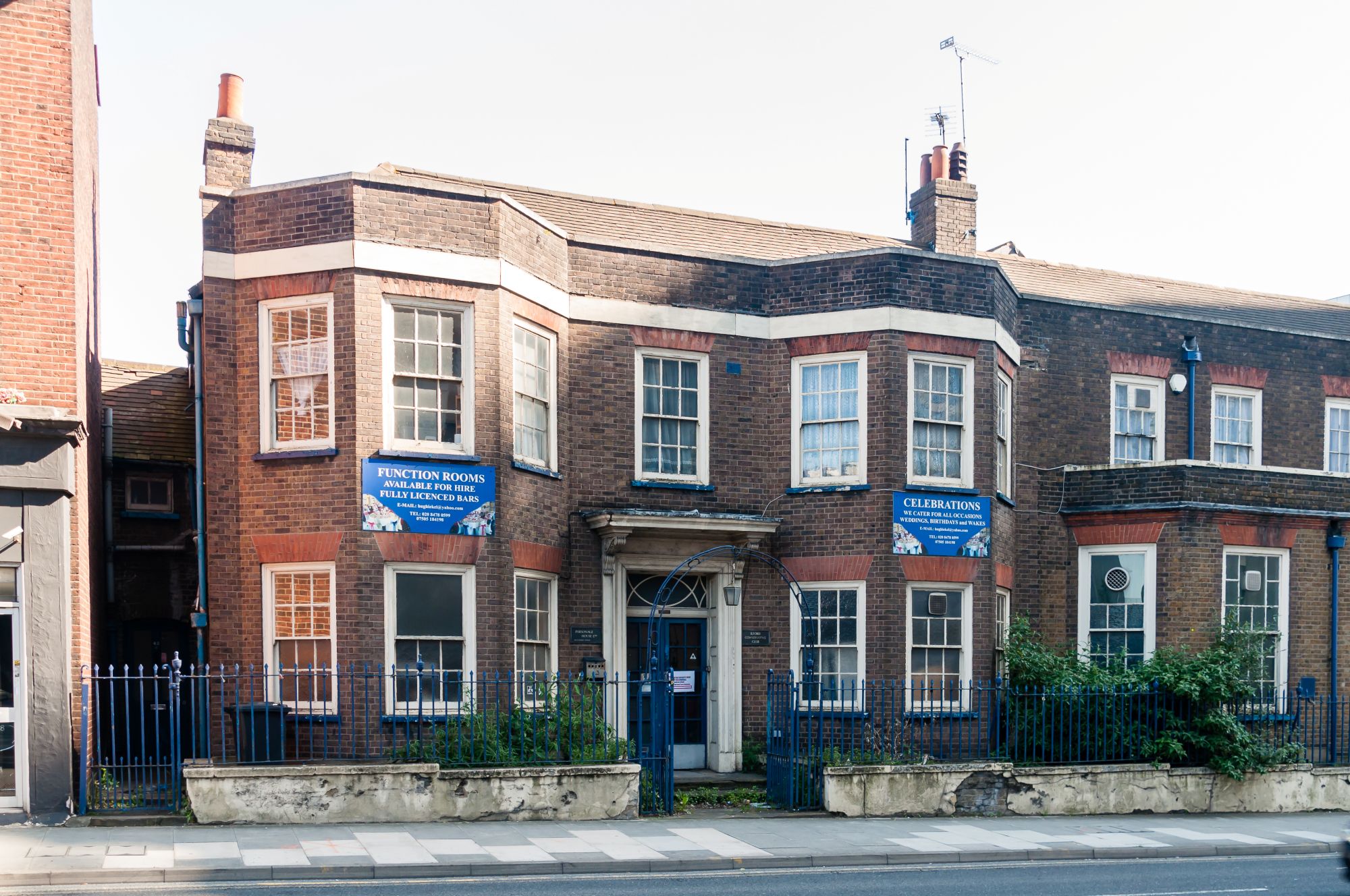
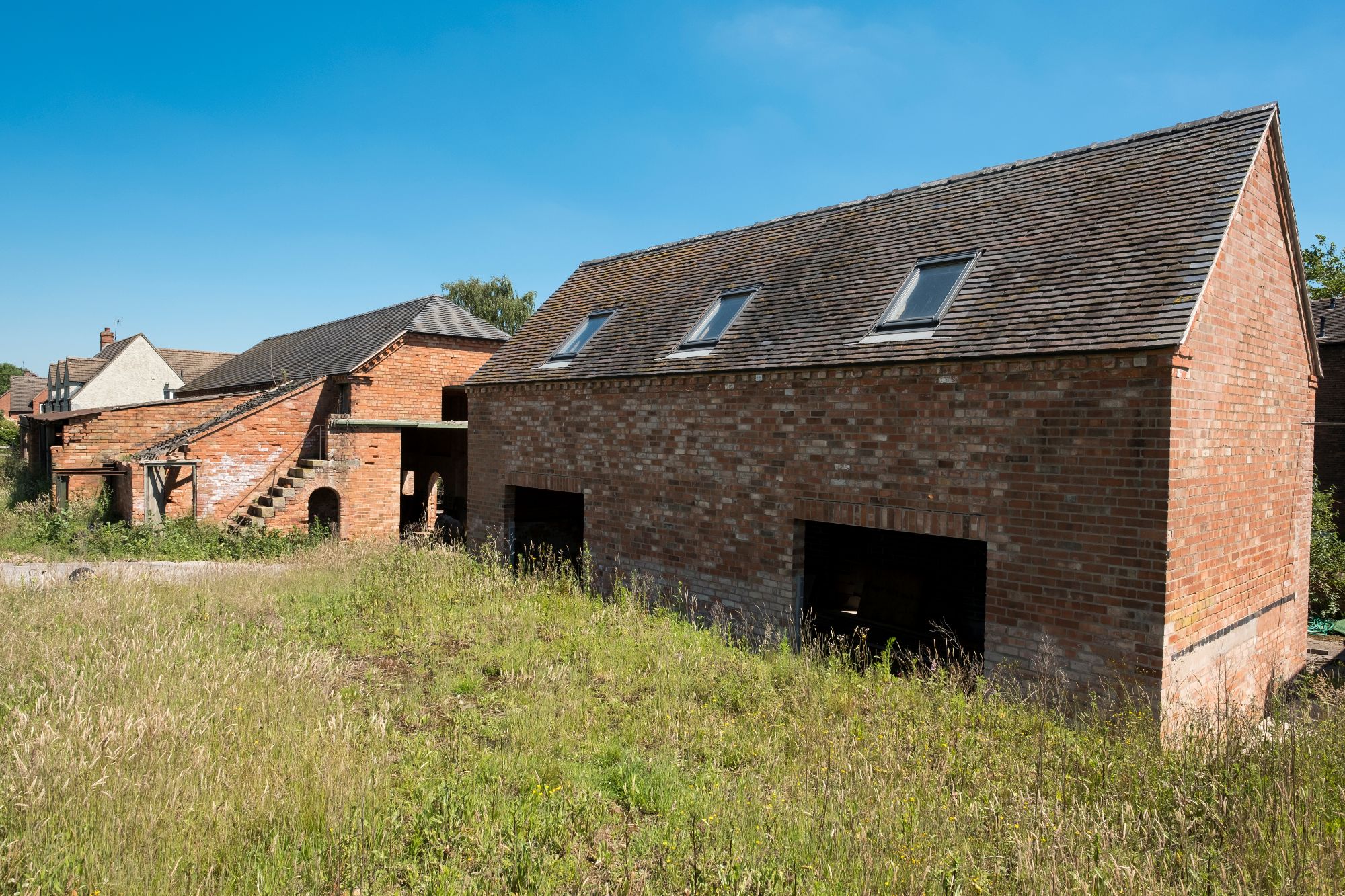
Final thoughts: realistic renovation budgeting before buying
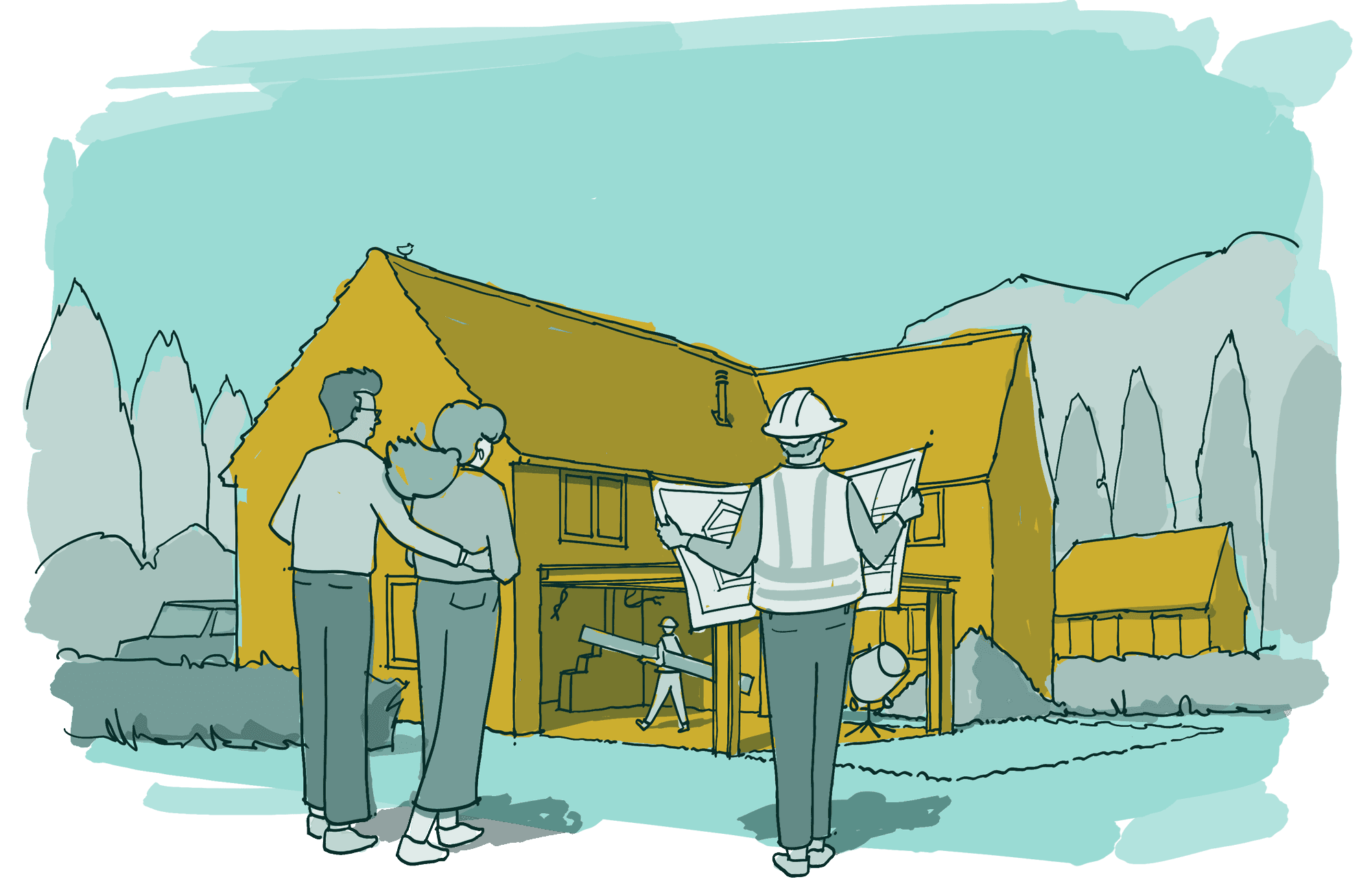
At True Value, we believe buyers should assess renovation projects holistically, with clarity rather than adrenaline, and with targeted due diligence from people who have done this before.
That means understanding:
renovation feasibility before purchase
realistic renovation costs
planning risk
lifestyle impact
overlap costs
phasing
long-term suitability
before becoming legally committed to a property that requires renovation to properly work for you, because in reality you are buying both the house and the project.
Very often, buyers are left trying to piece these answers together themselves through fragmented conversations with agents, builders, surveyors, architects, and online research, all while navigating the pressure of the conveyancing process and emotionally committing to a property.
That gap is exactly why True Value exists.
We created True Value to bring these moving parts together before exchange, helping buyers properly understand:
what a property is today
what it could realistically become
what it would genuinely cost
whether the journey to get there still makes sense once viewed as a whole
Sometimes that means uncovering hidden value through renovation. Sometimes it means identifying phased improvements that make a project more achievable. And sometimes it simply means helping buyers negotiate and commit with greater confidence because they properly understand both the opportunity and the undertaking ahead.
Because a successful renovation project is not simply about whether the final result could look amazing.
It is about whether the process, risk, investment, and day-to-day reality genuinely make sense for your life.
The strongest renovation projects are rarely the ones chasing the biggest transformation possible at any cost. They are usually the ones where ambition, practicality, timing, budget, and quality of life are all working together in balance.
The right fixer upper should not consume you.
It should support the future you are actually trying to build.
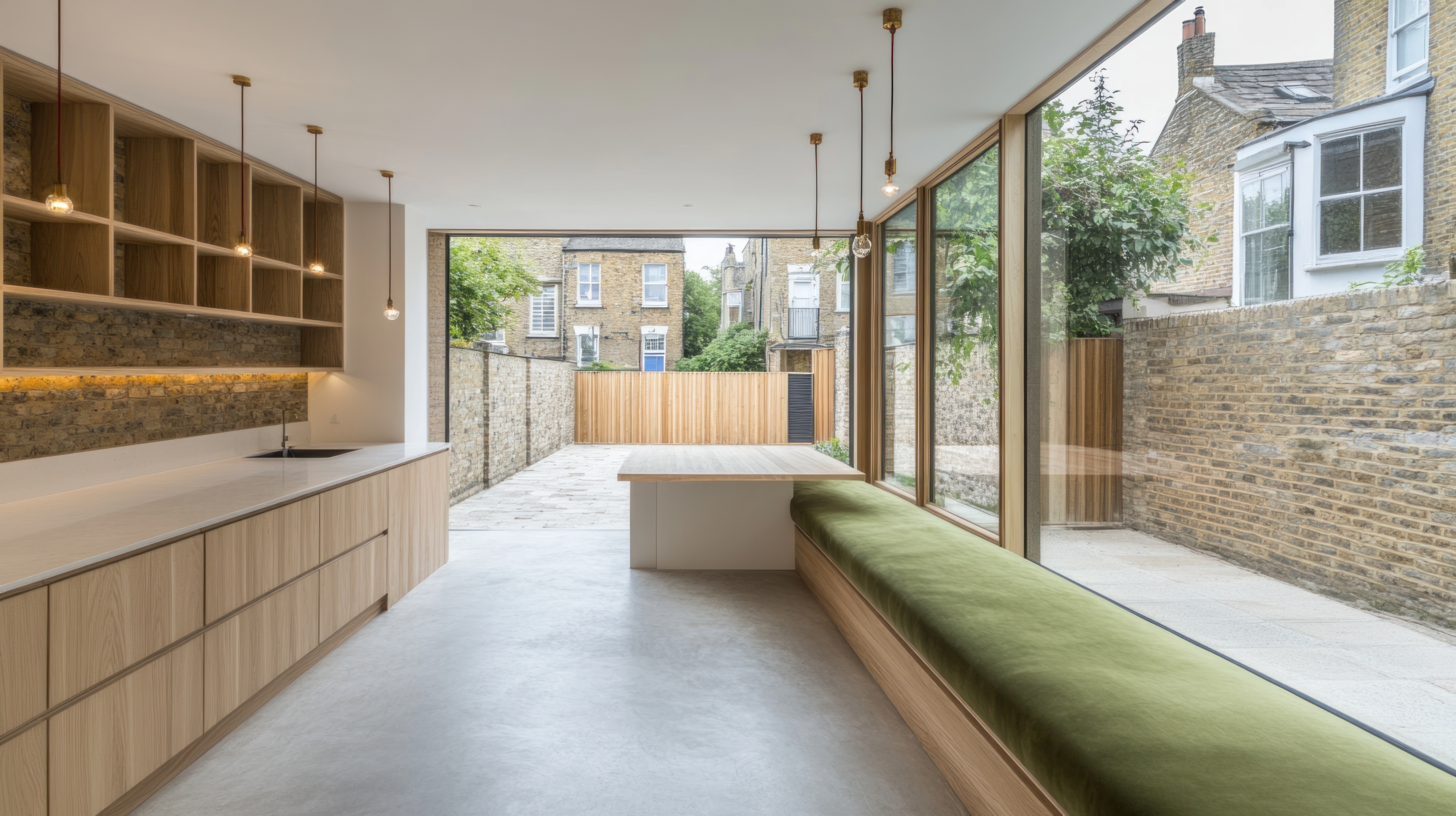
The strongest renovation projects are the ones where ambition, practicality, timing, budget, and quality of life are all working together in balance.
Thinking about a property while you read this?
If you have a listing or a survey in hand, the free Property Workshop is the quickest way to get an architect's read on it. Thirty minutes with our founder on that specific property: what it could become, what the work might involve, and what is worth checking before you commit.

