Should I offer on this House?
How to Assess a Property Before Making an Offer
Buying a house in the UK is often treated like a race.
You might spend years saving for a deposit, months searching online, and endless weekends driving between viewings. But when the “right” house finally appears, buyers are suddenly expected to make one of the biggest financial decisions of their lives based on a 45-minute viewing, a conversation with an estate agent, and the property particulars prepared by the seller’s agent.
That pressure changes how people think.
At True Value, we repeatedly see buyers become emotionally attached to properties long before they properly understand what the house actually is, what it may cost to maintain or improve, what it could realistically become, and whether the agreed price genuinely reflects reality. Very often, buyers are not simply assessing a property. They are imagining a future version of their life inside it.
This is exactly why we invented the Property Check.
Not because buyers are asking the wrong questions, but because they are often trying to answer highly interconnected questions separately, within a very short period of time and before they fully understand the property itself.
Questions around:
condition
planning potential
renovation feasibility
lifestyle suitability
long-term value
and whether the opportunity genuinely makes sense for their life
all become intertwined very quickly once buyers start seriously considering making an offer.
This article explores:
how to assess a property before offering
why buyers often become emotionally overcommitted too early
how to compare properties more strategically
and how to decide whether a property genuinely works for your life before making an offer

Where True Value fits into this process
At True Value, we often see buyers trying to answer these questions in fragmented ways. Very often, they are already asking the right questions instinctively. The challenge is usually having enough time, clarity, and joined-up thinking to answer them properly before becoming emotionally committed to the purchase.
They might:
speak briefly to an architect or builder
ask friends or family for opinions
rely on estate-agent language around “potential”
search planning portals themselves
or compare properties emotionally rather than strategically
all while balancing work, family life, mortgage pressure, chain pressure, and the fear of losing the property.
That combination often pushes buyers toward reactive decision-making rather than clear judgement.
That is why our work typically begins before an offer is submitted, helping buyers properly assess a property, understand risk and future potential, and approach negotiation with greater clarity and confidence.
For some buyers, that may simply involve a strategic Property Check assessment before offering. For others, it progresses into more structured Offer Strategy & Letter Writing support, wider due diligence, and Improvement Plan feasibility work as the purchase moves through conveyancing and towards exchange.
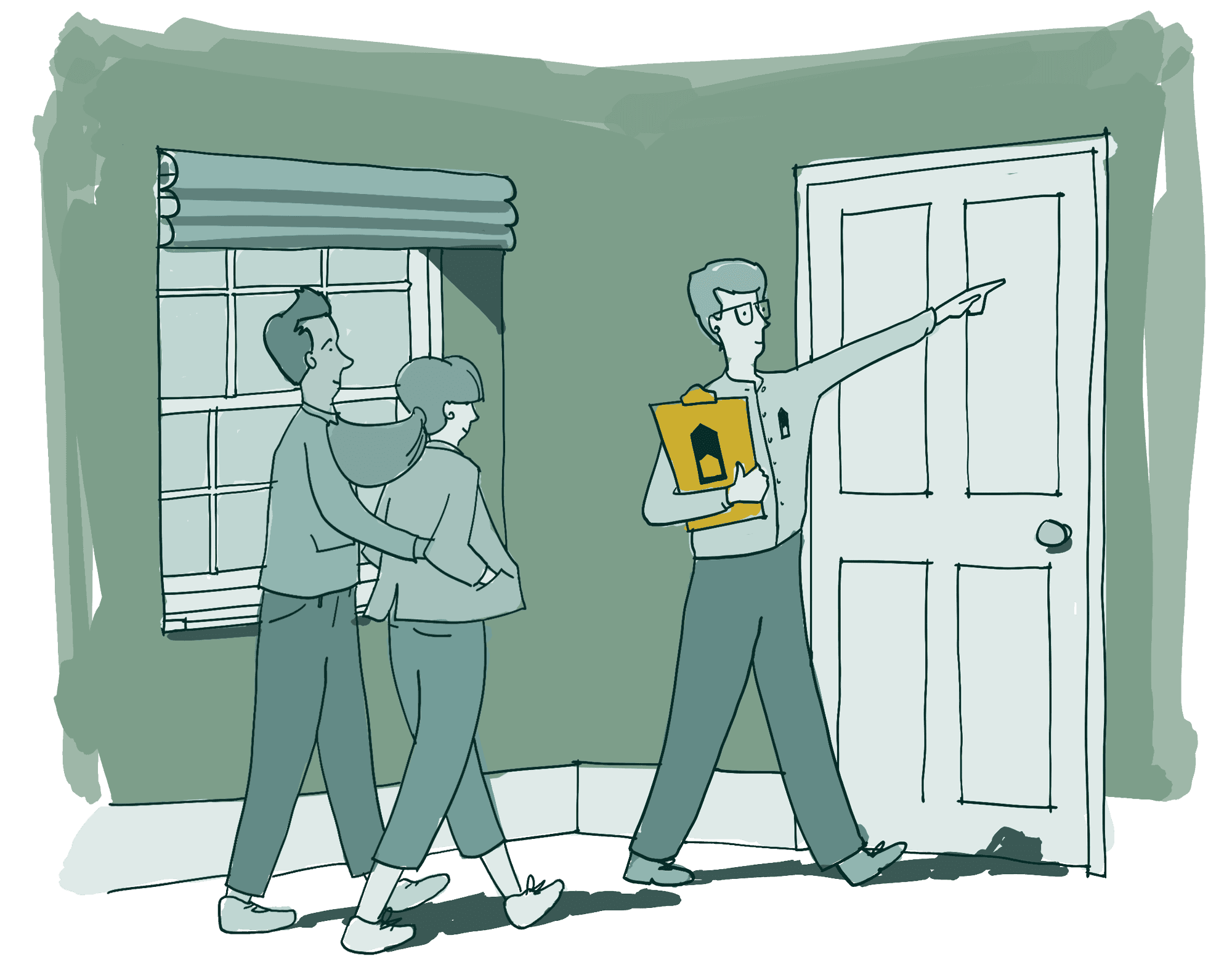
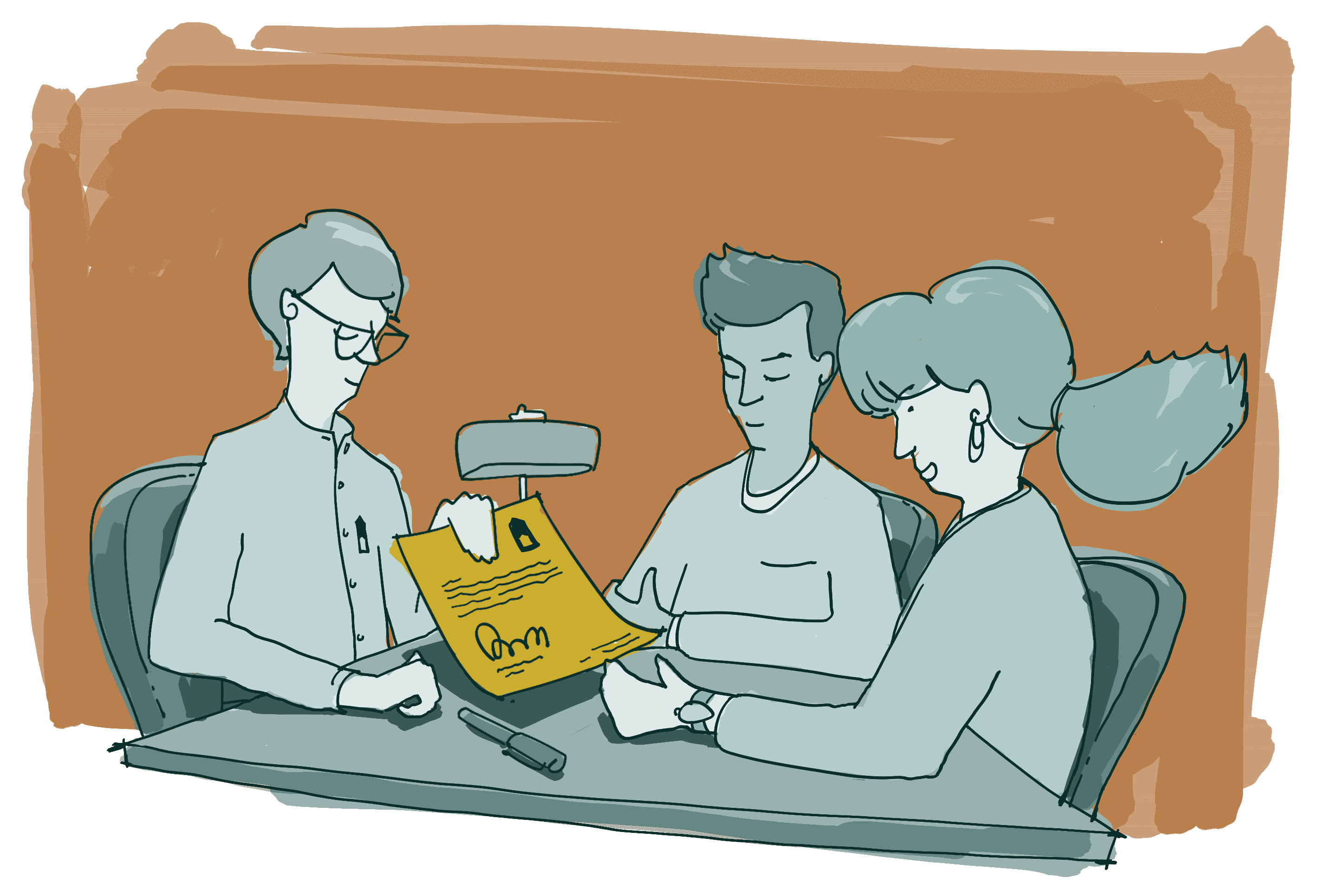


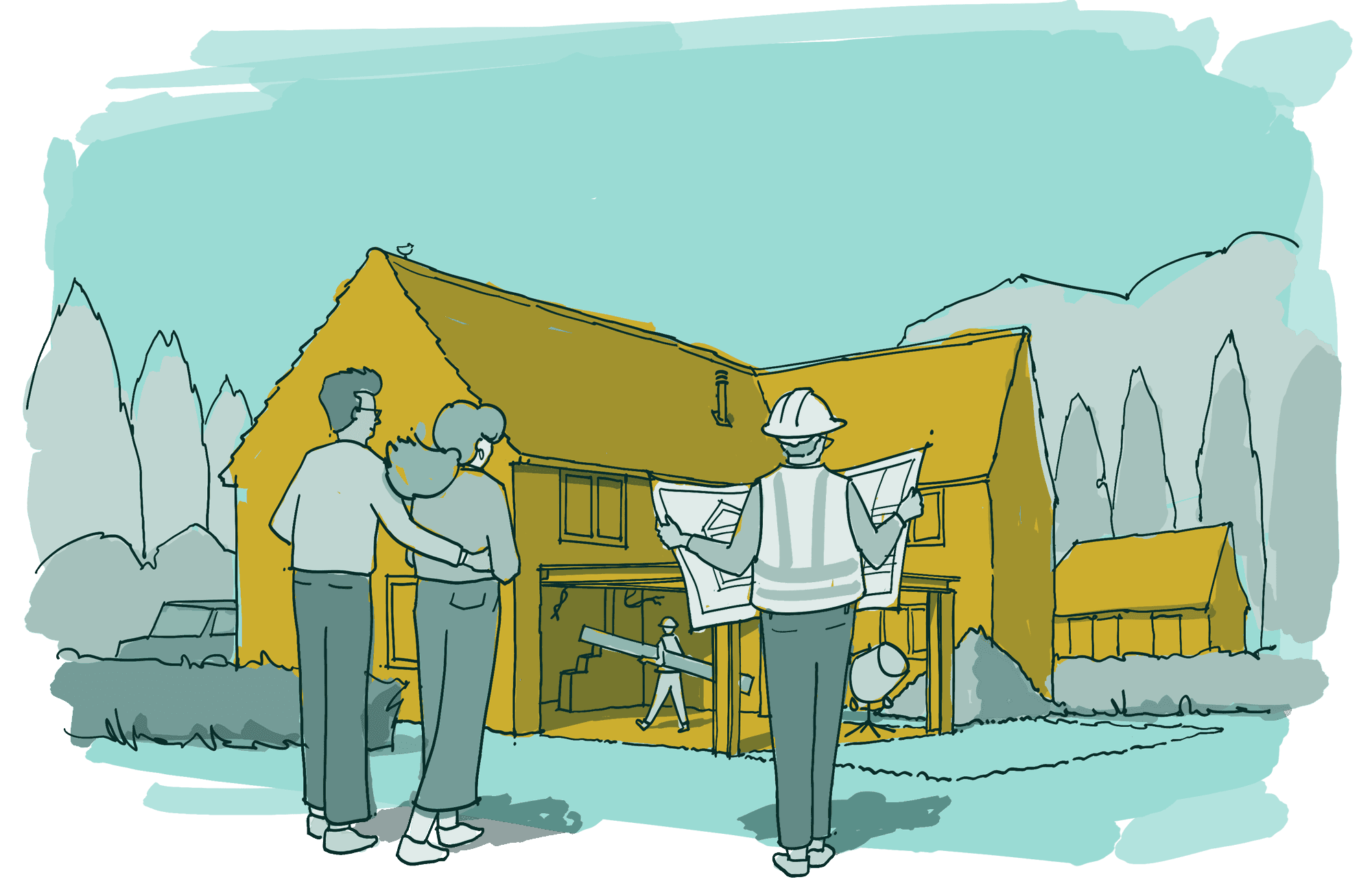
Most buyers compare properties emotionally, not strategically
One of the biggest mistakes people make when buying property is comparing homes too superficially.
Buyers naturally focus on:
kitchens
bathrooms
styling
staging
gardens
and setting often above anything
But two houses at the same price point can represent completely different long-term opportunities.
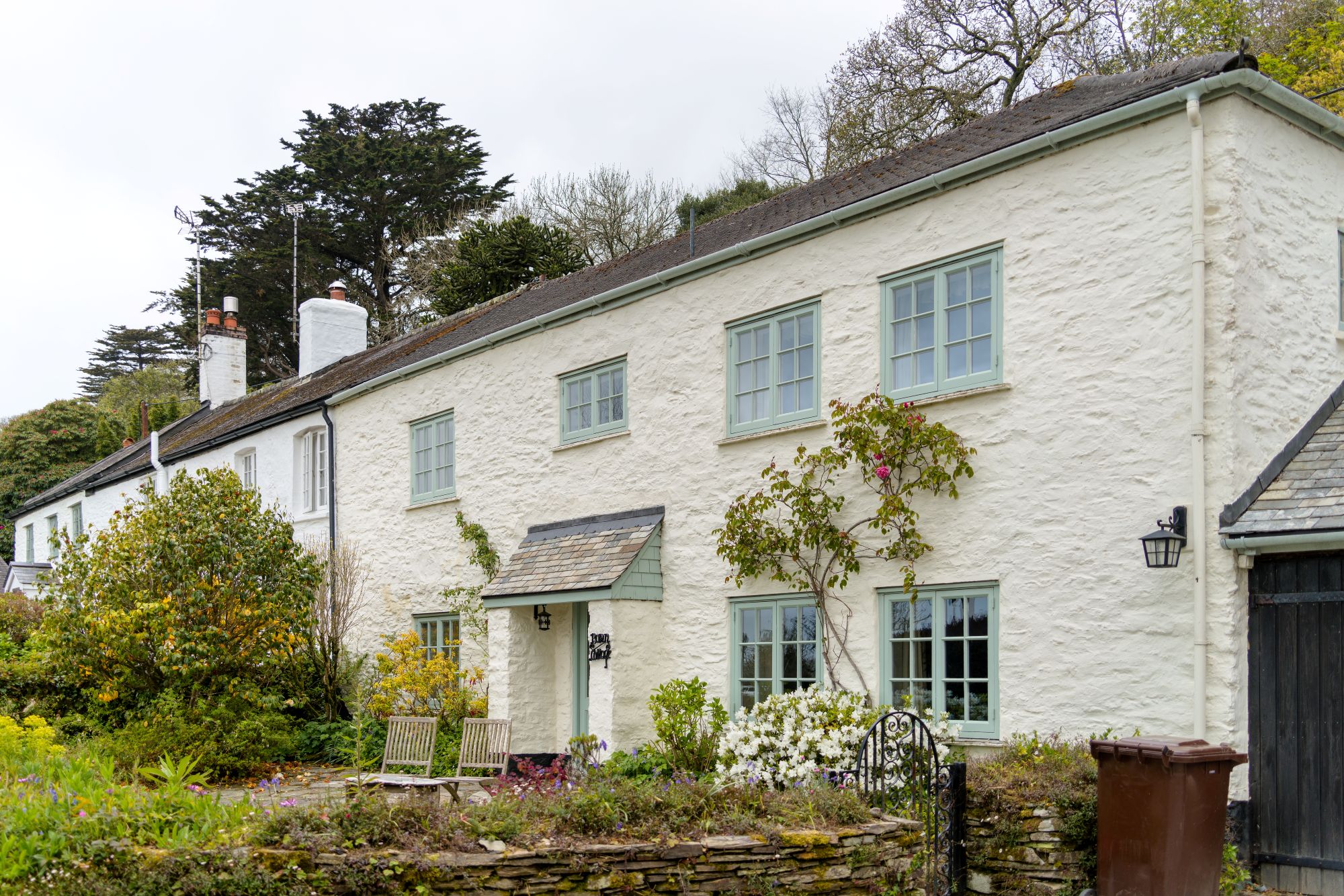
We recently worked with buyers comparing two coastal properties in Cornwall listed for almost the same amount of money. On paper, the houses looked broadly similar. One property, however, was beautifully presented. It was carefully styled, highly polished, and emotionally very appealing at viewing stage. The other house initially felt less impressive. It needed work, felt less refined, and lacked the immediate emotional pull of the first property.
But once we properly analysed the properties, the picture changed.
The second property was considerably larger overall, more adaptable internally, had better long-term open-plan potential, included additional outbuildings, and appeared capable of accommodating a future loft conversion. In reality, it offered far greater long-term flexibility.
The first property felt emotionally “finished”.
The second property was more spacious and had stronger long-term potential.
That distinction matters enormously because buyers often unknowingly pay a premium for presentation rather than adaptability.
Once we helped the buyers compare the properties more strategically, they realised the second property represented the stronger long-term opportunity. We then successfully negotiated approximately 11% off the asking price, which fundamentally changed the value equation again. The reduction created budget to improve presentation immediately while still retaining all of the longer-term benefits:
more generous space
better adaptability
and stronger future flexibility for family use over time
This is one of the biggest mindset shifts buyers need to make.
The question buyers should really be asking is not simply:
“Do I like this house?”
It is:
“What opportunity does this property actually represent over the next 5 to 10 years of my life in the house?”

Often, buyers are not simply buying a property. They are buying a projection of a future version of themselves.
Why buyers become emotionally attached too early
People rarely overpay because they are irrational.
They overpay because emotion quietly starts replacing perspective.
Often, buyers are not simply buying a property. They are buying a projection of a future version of themselves.
We repeatedly see buyers become emotionally anchored to countryside lifestyles, coastal reinvention, outbuildings, gardens, workshops, barns, wine cellars, swimming pools, or the broader identity attached to a property. Sometimes buyers are not just imagining living in the house. They are imagining becoming a different person through the house.
That is completely understandable.
Properties often represent:
freedom
escape
family aspiration
creativity
security
or a slower pace of life
But this is also where judgement can begin distorting.
Quite often, buyers become emotionally attached to highly symbolic features while overlooking the practical reality of how they will actually live day-to-day. A beautiful garden may emotionally sell the house despite buyers spending most of their time indoors. A barn may create visions of hobbies, projects, and lifestyle changes. A coastal property may become attached to an idealised vision of a calmer life, even if the practical reality introduces far greater disruption and financial pressure.
We have even seen situations where buyers suddenly begin imagining entirely new lifestyles around a property:
smallholding ambitions
rewilding projects
creative retreats
or dramatic shifts away from urban life
Sometimes those transitions genuinely are right for people. But buyers also need to ask themselves whether the excitement is grounded in reality or whether they are becoming emotionally attached to a fantasy version of life.
The strongest property decisions usually come from balancing aspiration with realism.
At True Value, we regularly work with buyers trying to bridge the gap between what they need now and the home they eventually want long term.
A house’s value is not just what it is today
Quite often, the smartest property is not the finished dream home. It is the property with the right balance between current suitability, future adaptability, financial sustainability, and lifestyle realism.
At True Value, we regularly work with buyers trying to bridge the gap between what they need now and the home they eventually want long term.
Sometimes buyers jump too quickly from one extreme to another:
city flat to rural farmhouse
polished turnkey home to complete renovation project
modest ambitions to total reinvention
Very often, there is a more balanced middle ground sitting quietly between those extremes.
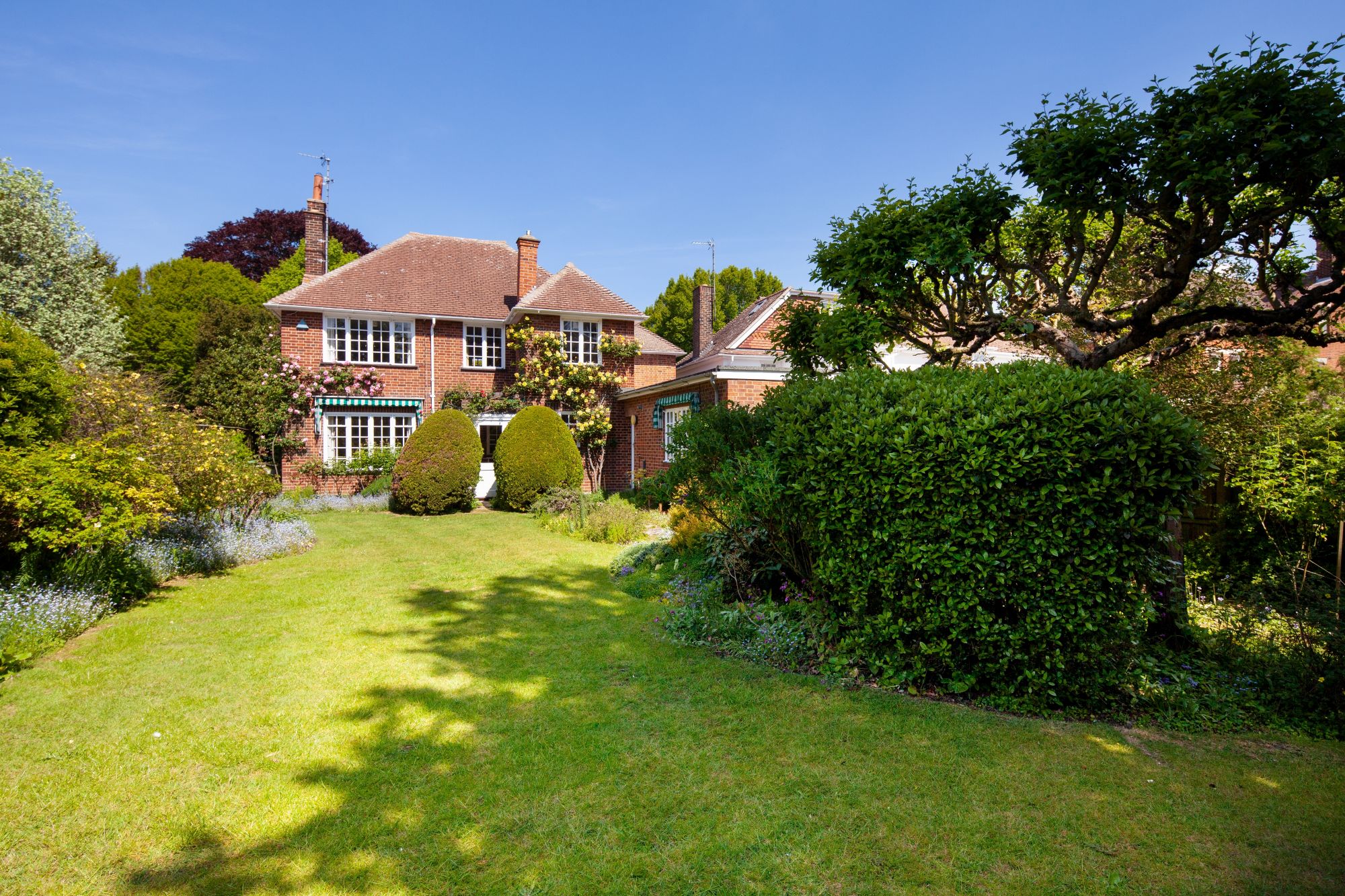
A modest property with strong bones, good proportions, extension headroom, loft potential, or phased improvement opportunities can often create a far stronger long-term outcome than either stretching financially for the “perfect” finished house or immediately taking on maximum upheaval and financial exposure through a huge renovation project.
We often encourage buyers to think in phases.
You may not need six bedrooms immediately, the full extension immediately, or the forever home fully completed immediately. Sometimes the smarter decision is buying a four-bedroom house now in the right location with the ability to evolve later without financially overreaching today.
That approach can often:
reduce financial pressure
improve quality of life
maintain flexibility
and create a more sustainable long-term journey toward the same end goal

What most buyers misunderstand before making an offer
One of the most important things buyers misunderstand is this:
An offer is not a final commitment.
It is simply a position based on the information available at that moment in time.
That distinction matters enormously.
At offer stage, buyers do not yet have surveys, detailed legal reports, full cost analysis, or a complete understanding of the property. In reality, an offer is simply saying:
“Based on my current understanding of this property, this is the position I am prepared to put forward.”
The conveyancing process exists precisely because buyers are expected to continue investigating the property before exchange contracts.
If survey findings emerge, repair liabilities become clearer, planning concerns appear, or the property differs materially from initial understanding, buyers absolutely have the right to reassess their position and renegotiate.
This is a fundamental part of understanding true value before exchange.
At True Value, many clients ultimately do not complete at the price they originally offered because later investigation changes the perceived risk, renovation feasibility, cost exposure, or broader viability of the opportunity.
The key is understanding that an accepted offer should not create emotional tunnel vision.
Quite often, buyers psychologically treat acceptance as if the property is already theirs. That is usually when objectivity begins disappearing.
The best buyers continue analysing, comparing, questioning, and sense-checking the purchase right through the process until they have the facts to make the final decision before exchange.
How to assess a property before buying
Before making an offer, buyers often feel pressure to answer everything immediately. In reality, that is impossible.
The question is not:
“Can I know the full picture before offering?”
The better question is:
“What can I reasonably establish before deciding this opportunity is genuinely worth pursuing further?”
At viewing stage, we are often instinctively analysing what genuinely has substance, what creates long-term value, and whether the opportunity feels fundamentally worthwhile.
For renovation properties particularly, we often ask:
“If we stripped away the parts we dislike, is there enough fundamentally good here to justify the project?”
That might include:
location
setting
views
plot quality
proportions
structural substance
character
or long-term adaptability
A property needs some core reasons that make the upheaval worthwhile.
The key is separating:
what must change
what could change
and what is simply cosmetic discomfort
Buyers often become disproportionately put off by poor decoration, outdated kitchens, awkward staging, or superficial presentation while overlooking strong proportions, larger plots, extension opportunities, or far stronger long-term flexibility.
Equally, more design-minded buyers can sometimes become overly focused on possibility and transformation without properly pressure-testing what the process may actually involve financially, emotionally, or logistically over time.
That is why comparison matters so much.
At True Value, we strongly encourage buyers not to stop looking at other properties while evaluating one they like. Tunnel vision is dangerous.
Sometimes the best way to assess whether a property genuinely works is comparing it directly against what else exists, what else could be improved, and what other opportunities may offer better long-term value.
Quite often, the better opportunity is not the house that currently looks best. It is the house that could become best through thoughtful evolution.
Why “buy with confidence” really matters
One of the biggest misconceptions around property is the idea that confidence means certainty.
It does not.
Buying with confidence does not mean knowing every future cost, predicting every problem, or eliminating all uncertainty. That is impossible.
Buying with confidence means understanding the opportunity clearly enough, understanding the risks honestly enough, and understanding yourself well enough to decide whether the process still makes sense for your life.
At True Value, we often ask buyers questions that go beyond the property itself.
Questions like:
do you actually have appetite for this project?
does this suit your working life?
can your finances comfortably support this?
are you creating unnecessary pressure?
and are you buying for your real life, or an imagined version of it?
Quite often, buyers become so focused on creating the “forever home” immediately that they inadvertently undermine family life, financial flexibility, sleep, relationships, and long-term stability in the process.
Sometimes the strongest decision is not:
“Can I stretch to make this happen?”
It is:
“What is the lowest-resistance path toward the life I actually want?”
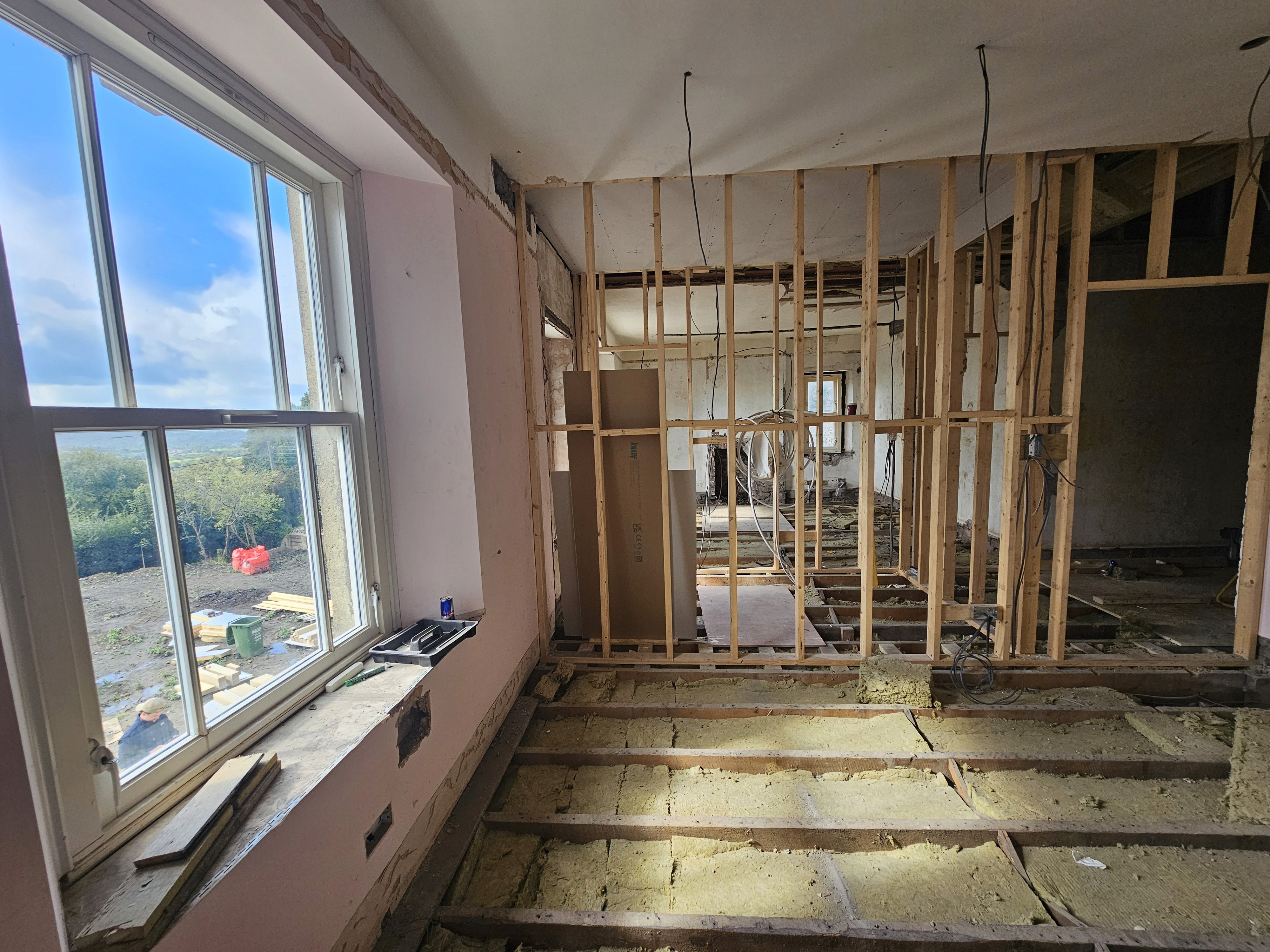
Still, if you genuinely enjoy the process of designing, improving, and shaping a home over time, we can also relate to that. We are largely architects ourselves and understand the satisfaction that can come from building a home around your life. But even then, there is still an important difference between what is genuinely necessary and what may simply be scratching an emotional itch.
As the Tv show 'Grand Designs' often demonstrates, life is not always made better by pursuing the most ambitious path possible. Sometimes the medium-resistance path creates the strongest overall outcome.

So, should you offer on this house?
When buyers ask themselves:
“Should I offer on this house?”
they are rarely just asking whether they like the property, or whether the property is objectively “good”. In reality, there is rarely such a thing as an objectively perfect property. The more important question is whether the opportunity and the price genuinely make sense for you.
Buyers are really asking:
does this opportunity genuinely suit my life?
can I realistically undertake the process attached to it?
am I emotionally reacting to presentation or assessing long-term potential?
and does the value of the opportunity still make sense once renovation costs, disruption, risk, and future plans are properly factored in?
The strongest buyers are usually not the ones who become emotionally committed fastest. They are the ones who stay objective for longest.
That means continuing to compare properties strategically, separating cosmetic issues from fundamental problems, understanding what could realistically evolve over time, and being honest about what level of project, financial pressure, and lifestyle change genuinely suits you and your family.
Quite often, the best opportunity is not the most polished house. It is the property with the strongest underlying fundamentals:
location
proportions
adaptability
long-term flexibility
and the ability to evolve alongside your life over time
But ultimately, understanding whether you should offer on a property is also about understanding yourself.
It means properly walking yourself through what the process may realistically feel like:
living in the property now
living through the renovation process
balancing the financial pressure
making decisions over many months
and imagining how the house may genuinely support your life not just today, but years from now
Quite often, buyers spend more time imagining the finished house than imagining the process required to get there.
That is ultimately what the Property Check is designed to help buyers assess before making an offer.
Not simply whether a property looks attractive at viewing stage, but whether the opportunity genuinely stacks up once emotion, practicality, cost, long-term suitability, and future potential are viewed together rather than separately.
Because the question:
“Should I offer on this house?”
is not really about the offer itself.
It is about understanding whether this opportunity genuinely deserves your time, money, energy, and commitment before moving forward.
But ultimately, understanding whether you should offer on a property is about understanding yourself.
Take the Next Step
Tell us about the property you’re considering and what you’d like to achieve. We’d be glad to offer some free advice and explain how we can best help.
