What could this property become?
How to Assess Property Potential Before Buying
One of the most common phrases in property listings is “full of potential”.
Potential to extend.
Potential to renovate.
Potential to create a dream family home.
But in reality, property potential is one of the most misunderstood and unqualified ideas in the entire buying process.
At True Value, this question sits at the centre of almost everything we do:
“How do you properly assess property potential before buying?”
Because what a property could become is rarely straightforward. It depends on planning constraints, structural realities, renovation feasibility, cost, phasing, neighbour relationships, lifestyle pressures, and whether the end result genuinely supports the life you want to live.
Very often, buyers are not actually buying a house. They are buying a projection of a future life.
That projection can be right.
But it can also become incredibly expensive, stressful, and emotionally consuming if it is not properly tested before exchange.
This article explores:
how to assess property potential before buying
renovation feasibility before buying
understanding renovation potential properly
can I extend this house and should I
how strategic property improvement planning creates better long-term outcomes


Where True Value fits into this process
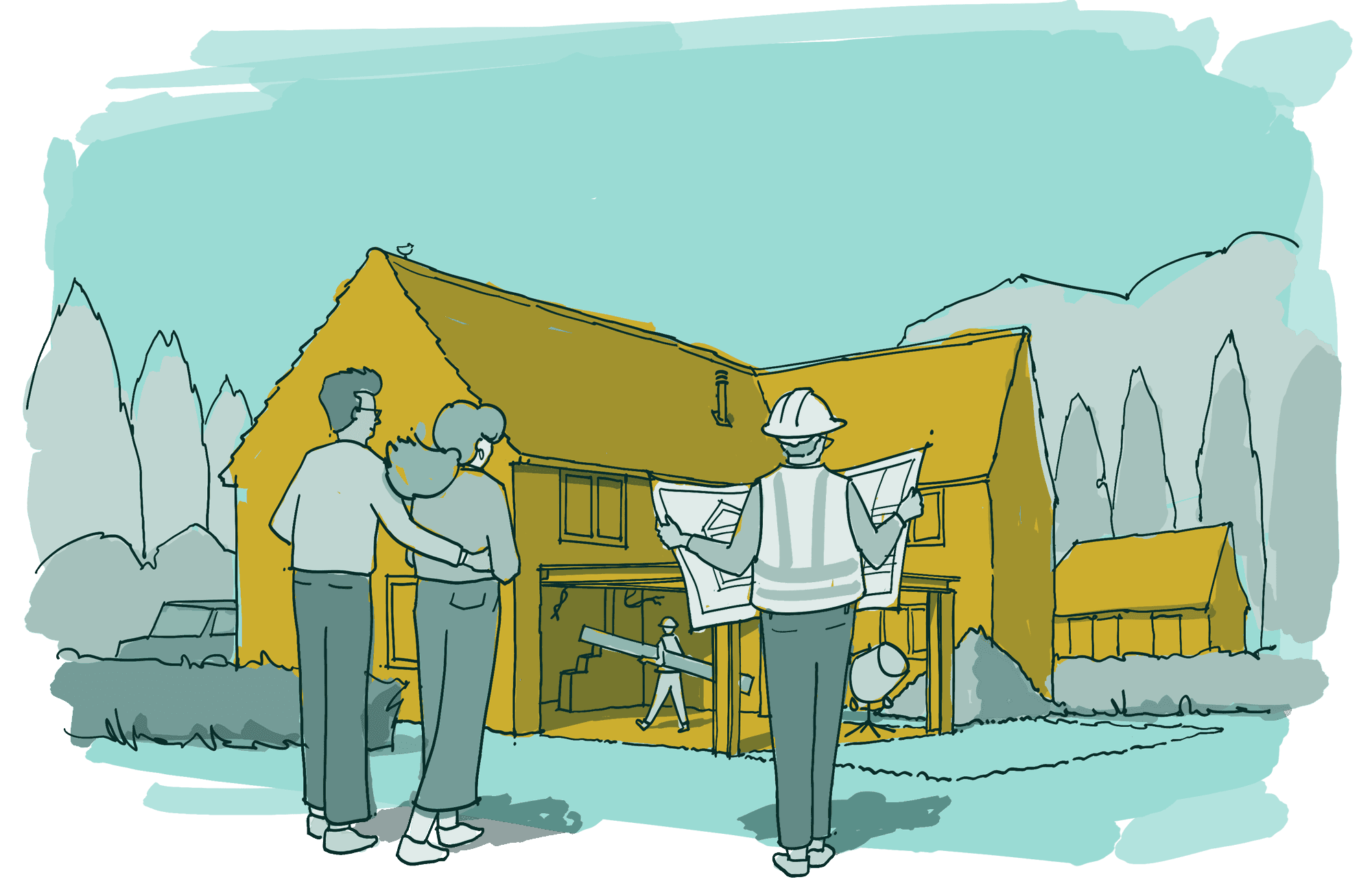
At True Value, we created our service because we repeatedly saw buyers trying to answer these questions in fragmented ways.
They would:
maybe speak briefly to an architect
ask a builder for rough costs
search planning portals themselves
rely on estate-agent language around “potential”
speak to surveyors about condition
all while trying to sell their own home and navigate conveyancing pressure.
In reality, buyers often ask the right questions. More often, they simply lack a practical way of connecting everything together before becoming legally committed.
At True Value, we combine architectural thinking, planning feasibility, survey interpretation, negotiation support, renovation strategy, and cost awareness before buyers commit and while leverage still exists.
For some buyers, that starts with a The Property Check before making an offer. For others, it develops into a wider Improvement Plan assessing condition, planning feasibility, design options, and realistic renovation costs before exchange.




The biggest mistake buyers make when assessing property potential
The biggest mistake is assuming that “potential” automatically equals value.
It does not.
Potential is subjective. A property may have amazing potential for one person and terrible potential for another.
Estate agents naturally try to bridge that gap. A house may not fully work as it is today, so phrases like:
“potential to extend”
“potential to reconfigure”
“potential to modernise”
become ways of encouraging buyers to imagine what the property could become.
Sometimes those ideas are realistic.
Sometimes they are not.
More importantly, buyers often fail to properly establish whether that potential genuinely aligns with:
their budget
their appetite for disruption
their relationship and family life
their working life
the way they actually want to live over the next 5, 10 or more years
We once worked with buyers considering a large flat in Clifton. On paper, it appeared full of renovation potential. Large square footage. Prime location. Beautiful proportions.
But the reality was far more complicated.
The property sat as the lower garden flat in a shared building with multiple flats above. Structural changes required major steelwork, management company approvals, complicated permissions, and significant intervention beneath neighbouring residents. What initially looked like “simple reconfiguration” became a hugely invasive and expensive undertaking.
The clients eventually completed the project, but the stress, temporary living arrangements, prolonged disruption, and overall cost were far greater than they had ever imagined at viewing stage.
Critically, these are the types of realities buyers need to understand before they become legally committed and while they still have leverage in negotiation. Maybe they still want the property in full knowledge of these, maybe True Value can use this information to negotiate a reduction that aid’s the feasibility of the project.
Because once renovation feasibility, planning complexity, programme length, and true costs are understood properly, buyers can then make a far more informed decision on:
what they should offer
whether the asking price still stacks up
and whether the project is genuinely right for them at all
That is the difference between marketed potential and real potential.
At True Value, we try to frame these realities before purchase, helping buyers understand not simply what could theoretically happen, but whether that particular type of property genuinely suits their ambitions, budget, tolerance to disruption, and long-term plans.
Why renovation feasibility before buying matters so much
One of the biggest misconceptions around renovation feasibility before buying is that buyers think mostly in terms of layouts.
They look at plans and think:
“We’ll remove that wall.”
“We’ll extend there.”
“We’ll add another bedroom.”
But renovation feasibility is rarely that simple.
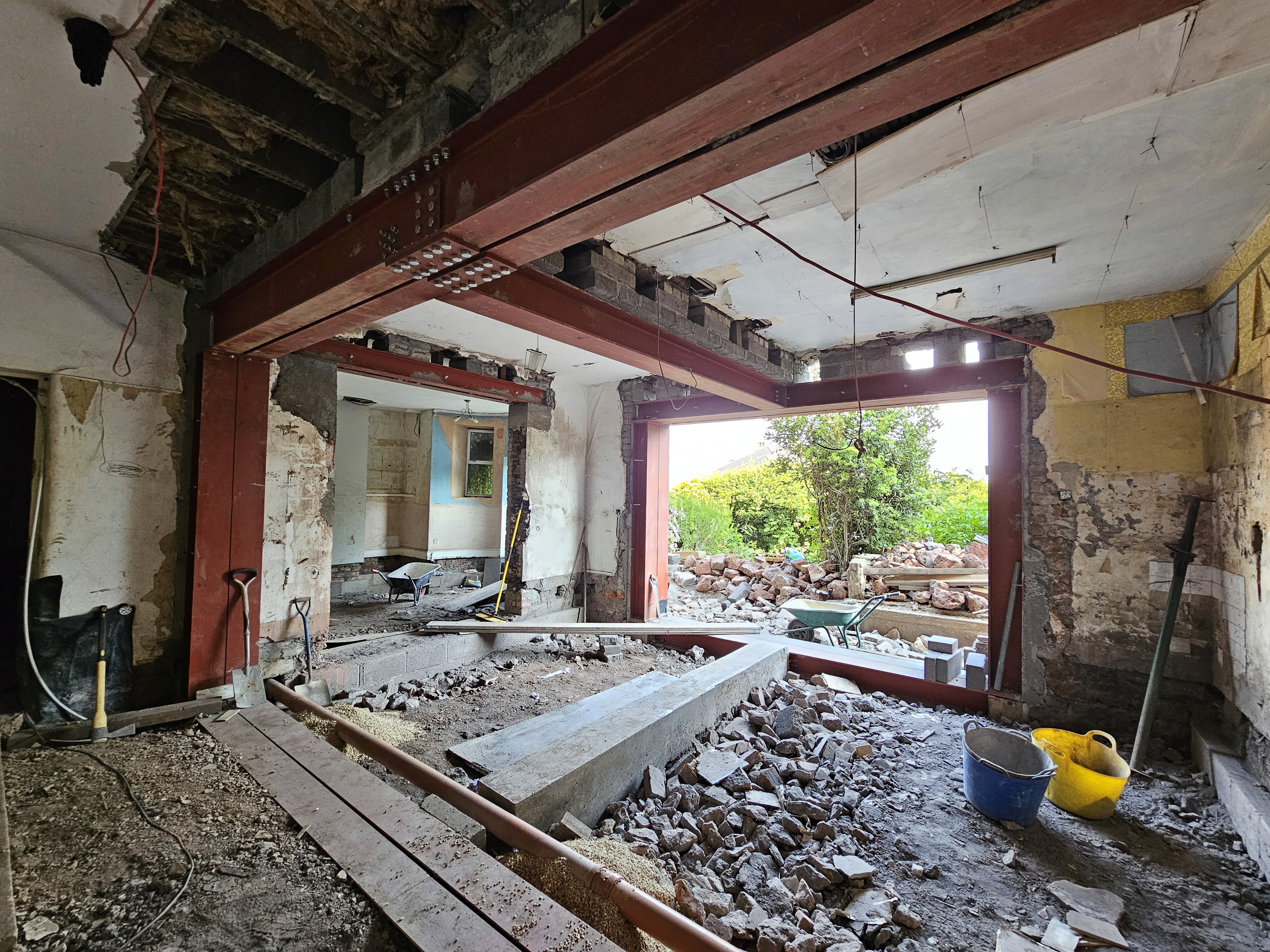
Real feasibility includes:
structural complexity
planning risk
retaining walls
drainage
foundations
phasing
party wall implications
and the actual cost of modifying the existing building.
A small extension can become disproportionately expensive if:
the structure needs major alteration or ground retention.
retaining works are required
neighbouring properties object
or previous extensions have already exhausted planning allowances.
This is why understanding renovation potential before buying requires strategic thinking rather than isolated ideas.

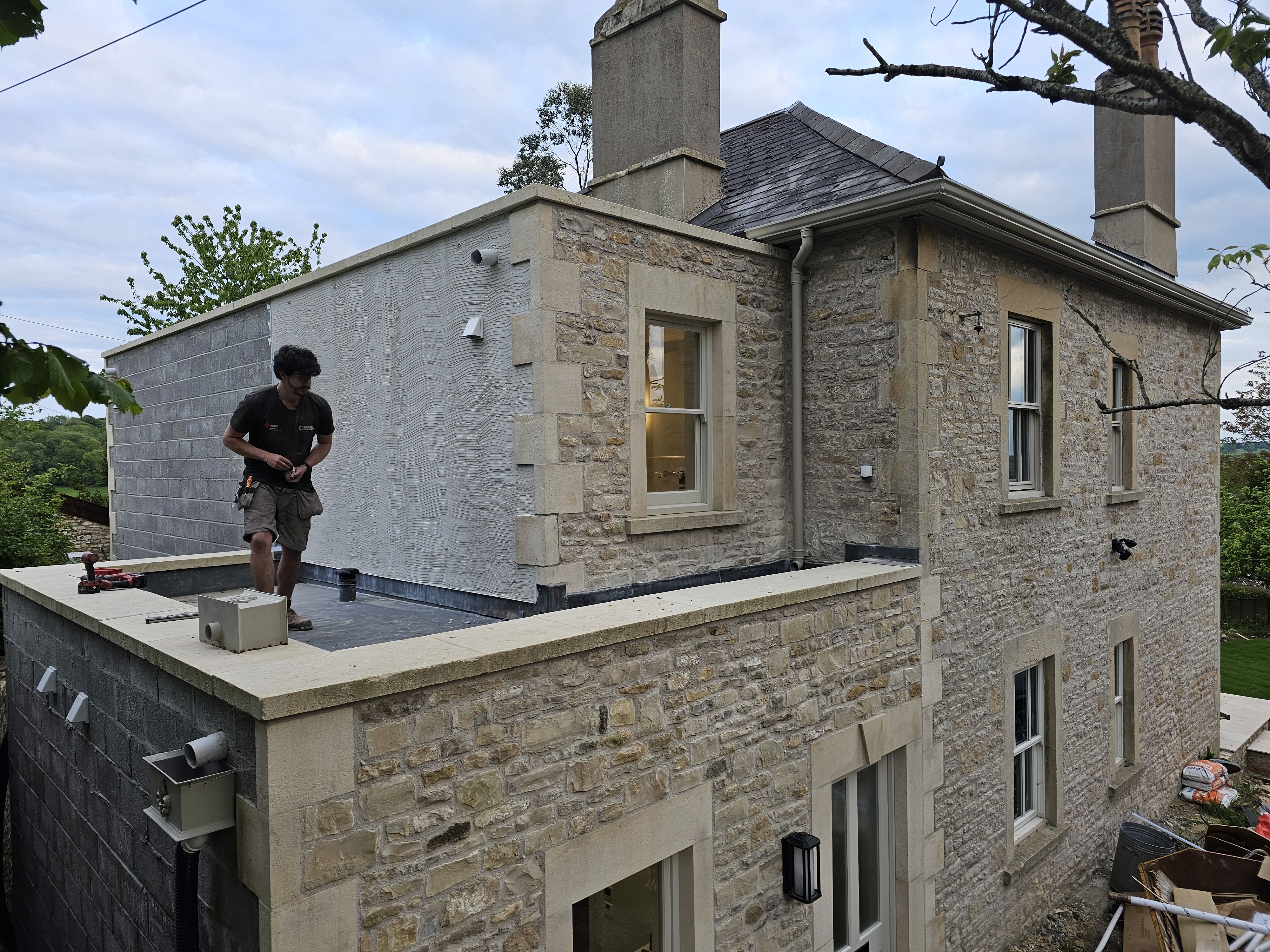
A house should not simply be judged by what could theoretically be added to it. It should be judged by whether those changes are sensible, achievable, and worthwhile for the life you actually want.
Asking “Can I extend this house?” the right way
The question “Can I extend this house?” is still important.
But often, the more useful question is:
“How should this house evolve over time?”
At True Value, we regularly encourage buyers to first optimise the space that already exists before assuming a major extension is the answer.
Very often, thoughtful internal reconfiguration can dramatically improve how a property feels and functions without immediately taking on huge construction costs or disruption.
That might involve:
improving circulation
relocating kitchens
introducing better light
opening key connections between rooms
simplifying awkward layouts
At the same time, we always think forward.
What might this buyer need in: 5 years,10 years, or longer term
Could the property evolve sensibly over time?
Knowing where you can extend, by how much, and what planning constraints exist is still incredibly important before buying. But a good extension does not automatically make the whole house better. Often, it simply improves one part of it.
The best property improvement planning usually combines:
the easiest and highest-impact improvements first
creating a great living space (sanctuary) early in the process
phasing to minimise disruption while living in the property
allowing more ambitious work to happen strategically over time
making sure the overall investment stacks up to the property value
We worked on a historic 4 bed house where refurbishment costs alone were substantial. To ensure the overall investment stacked up long-term, the strategy incorporated a rear extension and loft conversion alongside the refurbishment works. Those additions were not strictly necessary at the time, but they created enough long-term value uplift to justify the overall investment in the modernisation of the existing house and future-proof the house properly. It became clear that now was the time to do it all in one as the core property wasn’t liveable. Maximise the time you out of the property to get as much done as you can and make sure the investment stacks up.
Understanding those possibilities early before exchange - also allowed the buyers to understand:
what level of investment was sensible
what they do straight away
how much they can afford to pay for the property
and where long-term value genuinely existed within the project
That is what understanding renovation potential really means:
not simply asking “can I extend this house?”, but understanding how the property should evolve over time in a way that genuinely supports your life, finances, and moving strategy.
The properties with the best long-term potential are often overlooked
Interestingly, the best opportunities are often not the obvious “dream projects”.
We regularly see buyers moving emotionally from one lifestyle extreme to another:
city flat to rural farmhouse
small polished home to sprawling renovation project
modest improvement ambitions to total reinvention
Very often, this is driven by a “grass is greener” mindset.
People begin fantasising about a completely different version of life rather than properly evaluating what aspects of their current life they actually value. Sometimes there is also a slippery slope of renovation logic:
“Well, if we are changing that part, we may as well redo this too while we are at it.”
Before long, the idea of “I want a project” can start to overtake the more important question:
“What type of home do I actually need now, and what do I need it to become in the future?”
A flat with a courtyard garden in a city may genuinely feel limiting. But that does not automatically mean the answer is a sprawling farmhouse, multiple outbuildings, and a complete reinvention of day-to-day life.
Likewise, buyers often romanticise rundown farmhouses, outbuildings, and sprawling plots without fully appreciating the maintenance, cost, renovation feasibility, and logistical burden that comes with them.
Meanwhile, a more modest property may quietly offer:
excellent proportions
a decent portion of the house that is good to live in now
extension headroom
loft conversion potential
phased improvement opportunities over time
Those properties often create better long-term outcomes.
Buying something solid that you can comfortably move into now, maintain some normality in family life, and then strategically improve over time is often a far more sustainable approach than immediately taking on maximum upheaval and financial exposure.
That does not mean you cannot still achieve the larger country home or ambitious long-term vision you may want. In many cases, you absolutely can. But reaching that point strategically, with the right property improvement planning and renovation budgeting from the outset, can often create a far better experience and ultimately a stronger result overall.
Good property improvement planning is rarely about simply buying for the ‘big project’.
It is about understanding renovation potential properly, identifying where genuine long-term value exists, and deciding whether:
phased improvements over time
or a full renovation before moving in
is the right approach for your budget, tolerance to disruption, and way of life.
In some cases, a full “do everything before we move in” renovation project may absolutely be the right decision. But that only works well when buyers properly account for:
renovation costs before buying
temporary accommodation and disruption
or double mortgage overlap
realistic programme length
and enough financial buffer to maintain a healthy standard of life throughout the process
That is where early renovation feasibility before buying becomes so important.

The strongest projects are rarely about doing the most work possible. They are usually the ones where the property, the strategy, the timing, and the buyers’ real lives are all working together in balance.
What genuine property potential actually looks like
When we assess a property’s true potential, we often look for:
solid structural bones
sensible proportions
a good plot
good natural light
a good ready to go portion of the property, if possible
extension opportunities
clarity around what stays versus what changes
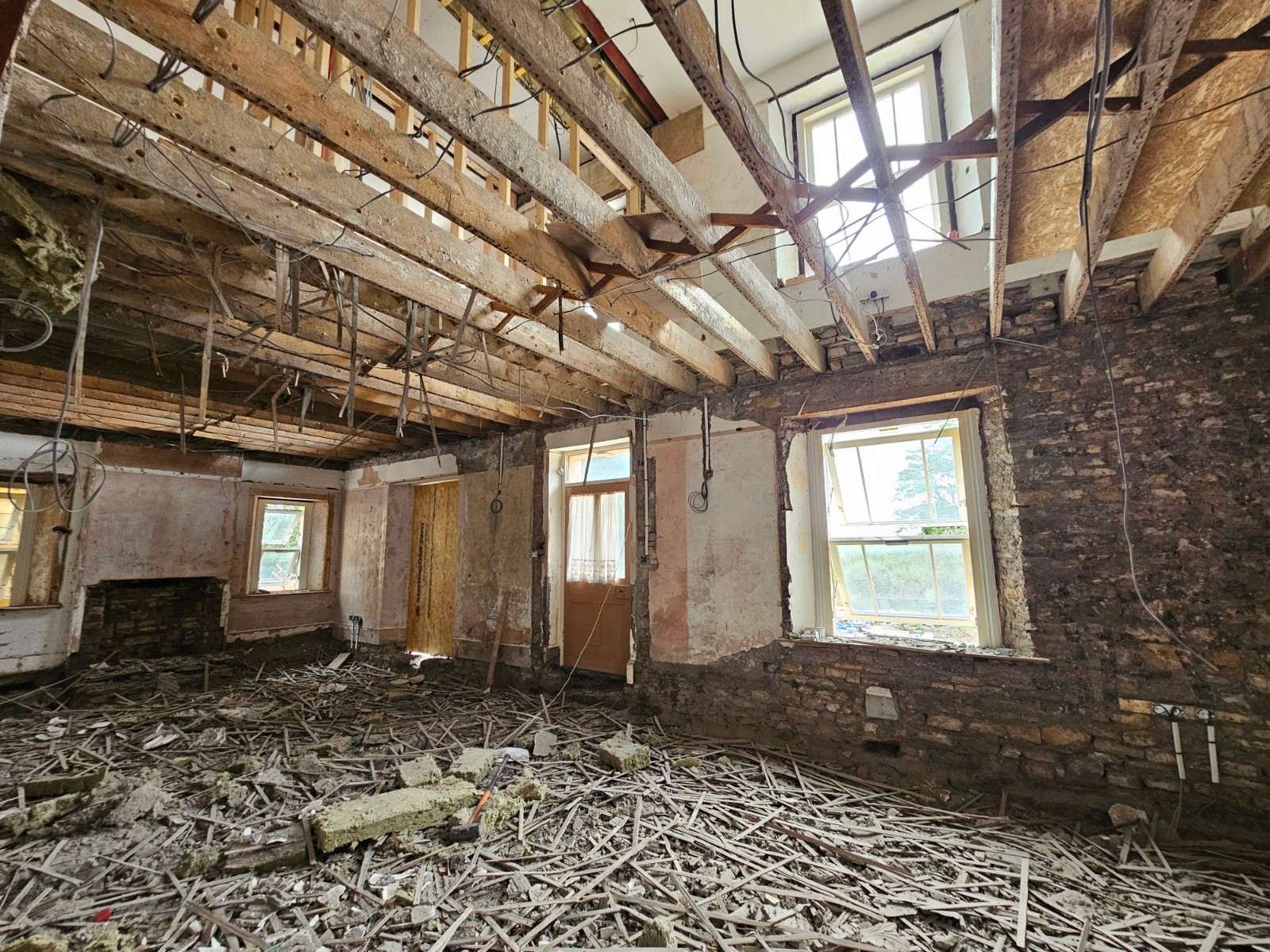
One recent property looked dreadful internally from a cosmetic perspective.
But:
the roof was sound
the windows had already been replaced
the structure was solid
the layout was workable
the extension opportunities were clear
garden was lovely but needing work
That creates a very different type of renovation project.
The scope becomes simpler and easier to phase:
refurbish here as the bones are good
extend there
enjoy improving the garden over time.
That is real renovation potential.


Final thoughts: understanding renovation potential before buying
The phrase “full of potential” is often used as shorthand for possibility.
A better way of living.
More space.
A long-term family home.
A fresh start.
And sometimes those possibilities are absolutely real.
The key is understanding them properly alongside the purchase process and before you commit.
Good property decisions rarely come from chasing the biggest or most dramatic vision possible. They come from understanding what a property can realistically become, what it may take to get there, and how that journey fits your life, budget, and long-term plans.
Very often, buyers already ask the right questions instinctively. The challenge is usually having the right insight early enough to connect:
planning
condition assesment
renovation feasibility
costs
knowing how best to negotiate
and long-term value
into one clear view before exchange.
At True Value, we believe that with the right early advice, many projects become far more approachable, manageable, and strategically exciting than they first appear.
Sometimes that means uncovering hidden long-term value. Sometimes it means identifying phased improvements that allow a home to evolve over time. And sometimes it simply means helping buyers negotiate and commit with greater confidence because they properly understand both the opportunity and undertaking ahead, while also knowing they have secured the property at the right price with the seller fully understanding the realities involved.
That is why we combine architect-led thinking with planning insight, renovation strategy, cost awareness, and negotiation support before buyers become legally committed and while leverage still exists.
Because understanding property potential properly is not just about asking:
“Can I extend this house?”
It is about understanding how a property could evolve over time, how to unlock that potential intelligently, and how to shape a home around the life you actually want to live.
The best projects are not always the most dramatic initially. The strongest homes are usually shaped strategically over time, balancing ambition, budget, disruption, and real life while still working towards the same long-term vision.
That is what genuine property potential looks like.
Take the Next Step
Tell us about the property you’re considering and what you’d like to achieve. We’d be glad to offer some free advice and explain how we can best help.
